Table of Contents
Most "top AI tools" lists read like a catalog of experimental toys. As a professional, you don't need a tool that generates cartoon avatars or writes Shakespearean sonnets. You need software that integrates securely into your existing workflow, reduces administrative friction, and handles complex reasoning without constant hand-holding.
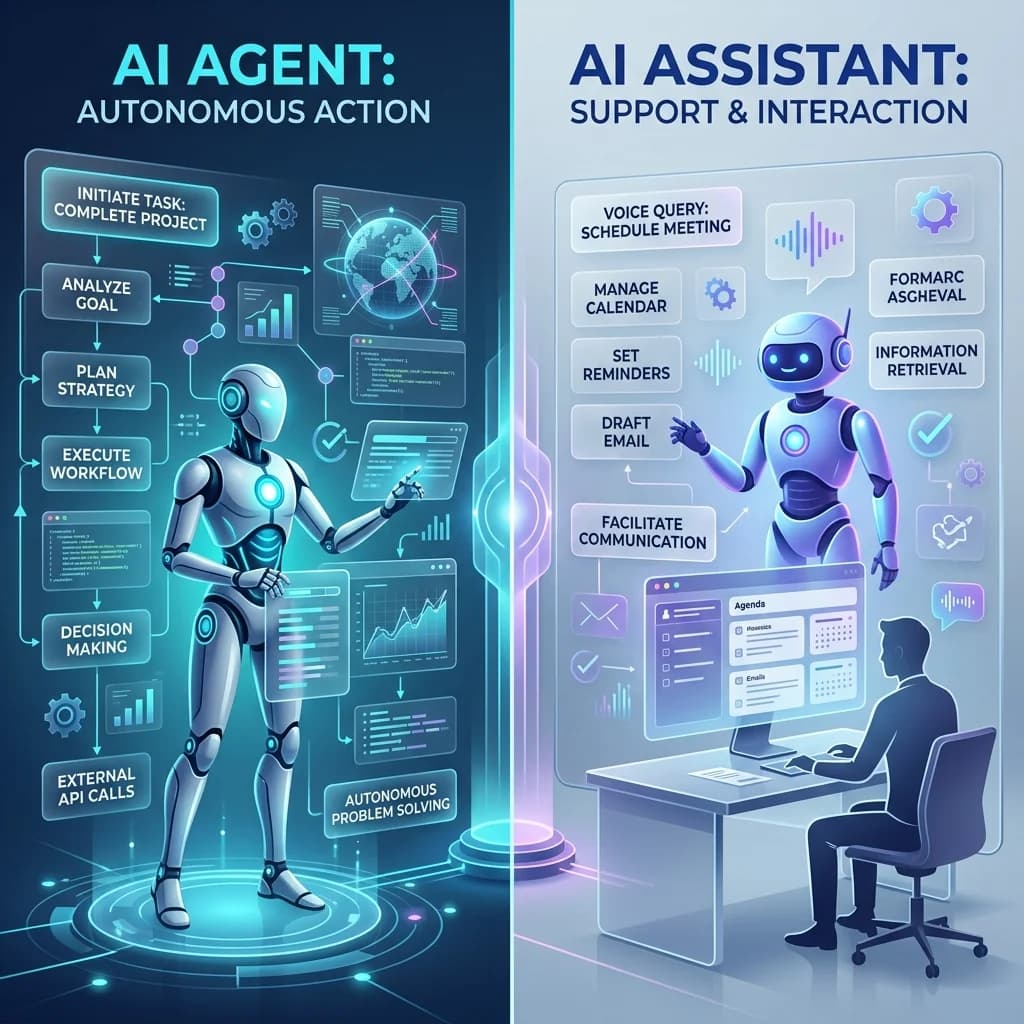
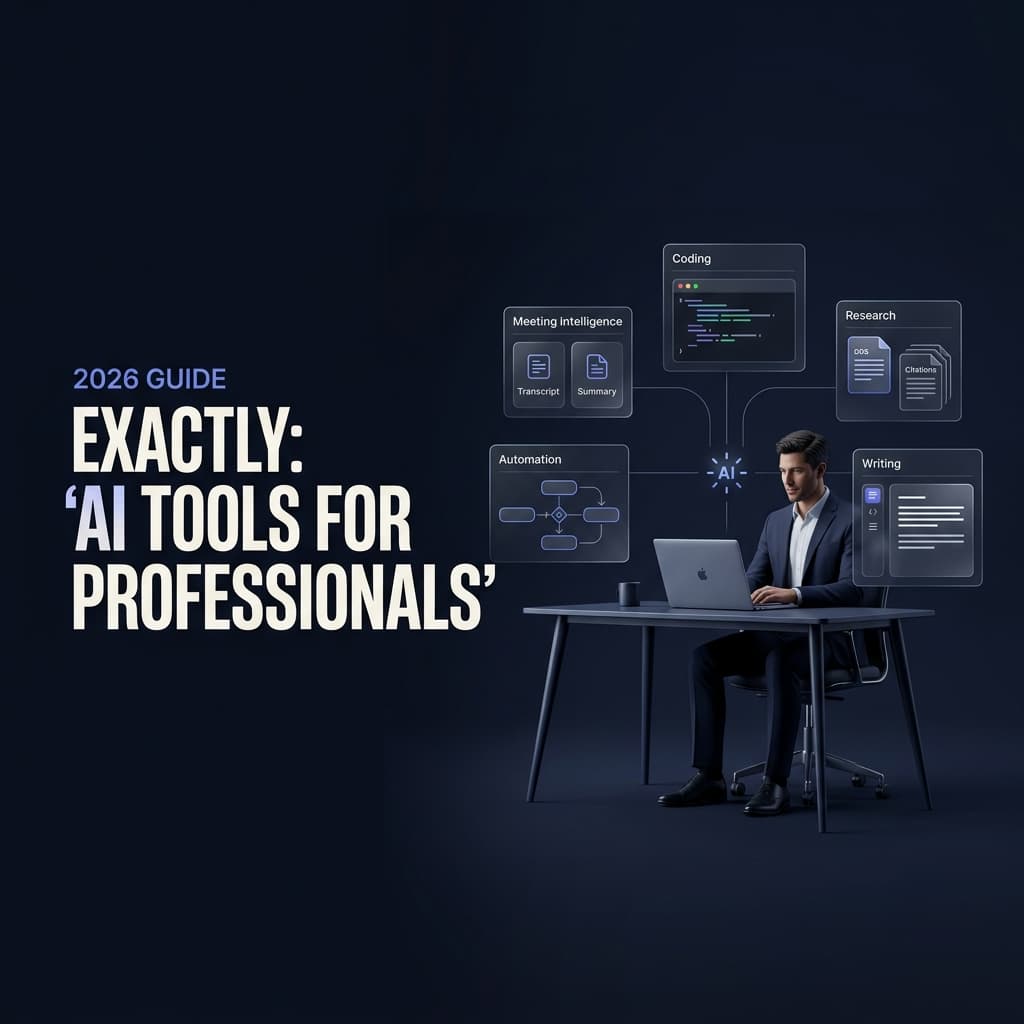
In 2026, the AI market has matured. We have moved past the conversational novelty phase into specialized, workflow-specific agents. Here is a breakdown of the essential AI tools that can provide significant ROI for knowledge workers, categorized by their operational function.
1. Meeting Intelligence & Documentation
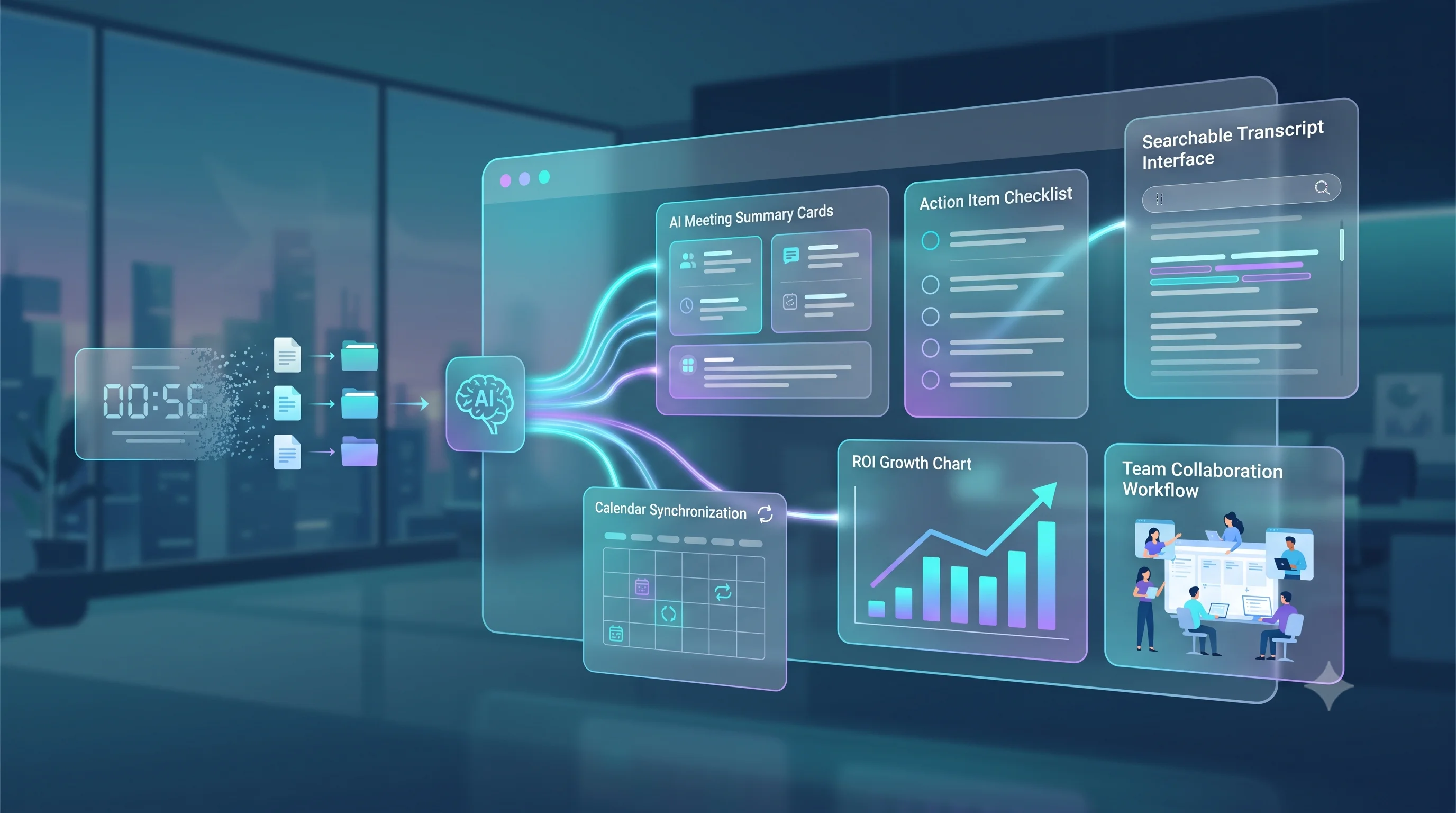
Meetings are often one of the most expensive operational overheads in any enterprise. Standard transcription tools simply convert speech to text, shifting the burden from taking notes to reading transcripts. Modern professionals require synthesis and action extraction.
Top Choice: MeetMind AI MeetMind AI bypasses the intrusive "bot in the meeting" problem by focusing on asynchronous, highly secure processing.
- The Workflow: Record your Zoom, Meet, or Teams call natively. Upload the audio. MeetMind uses an advanced LLM pipeline (leveraging models like Llama 3.3) to extract structured action items, summarize complex decisions, and identify key insights.
- Why it matters: It seamlessly prepares data for your workflow. Instead of copy-pasting a transcript, MeetMind structures formatted action items that you can easily move into your project management tools.
- Best for: Executives, product managers, and consultants handling high-stakes or confidential discussions.
2. Code Generation & Engineering Assistance
Software engineering was the first profession to experience massive productivity gains from LLMs, and the tooling here is the most advanced on the market.
Top Choice: Cursor (with Claude 3.5 Sonnet) While GitHub Copilot mainstreamed autocomplete, Cursor has redefined the IDE experience.
- The Workflow: Cursor retrieves relevant context from across your codebase. Instead of just completing a line, you can ask it to refactor a component across multiple files, debug a stack trace, or write a test suite based on a specific logic path.
- Why it matters: It shifts the developer's role from writing boilerplate syntax to architectural design and code review.
- Best for: Software engineers and technical founders.
3. High-Context Research and Synthesis
When analyzing industry reports, parsing competitor documentation, or reviewing long legal contracts, standard chatbots fall apart due to context window limitations.
Top Choice: Google NotebookLM (Powered by Gemini) NotebookLM acts as a personalized, closed-loop research assistant.
- The Workflow: You upload extensive documents (PDFs, Google Docs, websites)—with limits scaling from dozens to hundreds depending on your plan. The AI grounds its answers exclusively in the documents you provided. It generates citations linked directly to the source text.
- Why it matters: It drastically reduces the hallucination risk inherent in open-ended LLMs. If the answer isn't in your uploaded documents, it tells you.
- Best for: Researchers, attorneys, market analysts, and strategists.
4. Operational Workflow Automation
An AI tool is only as useful as its ability to talk to the rest of your tech stack. If an AI generates a great email but you still have to manually copy it into your CRM, the automation is broken.
Top Choice: Make (formerly Integromat) / Zapier with AI Routing Both platforms have deeply integrated AI routing logic into their workflow engines.
- The Workflow: You set up a pipeline where inbound customer emails are parsed by an LLM (like GPT-4o). The model determines the intent (e.g., "Refund Request" vs. "Technical Support"), extracts the relevant account ID, and routes the ticket to the correct Zendesk queue while drafting a suggested response.
- Why it matters: It transforms passive AI generation into active operational plumbing.
- Best for: RevOps, customer support leads, and operations managers.
5. Professional Writing & Drafting
Drafting communications from scratch is a massive drain on cognitive energy. The goal isn't to let AI write your emails; the goal is to let AI overcome the blank page.
Top Choice: Claude (by Anthropic) While ChatGPT is highly capable, many users find that Claude (specifically the Opus and Sonnet models) currently exhibits a more natural, less "robotic" tone for professional communication.
- The Workflow: Provide Claude with a bulleted list of raw facts and the desired tone (e.g., "direct but polite"). It generates a draft that usually requires only minimal editing.
- Why it matters: It reduces the friction of starting difficult or complex communications.
- Best for: Marketers, HR professionals, and leadership communications.
Building Your Tech Stack
Adopting all these tools at once will create chaos. The most successful teams implement them systematically:
- Identify the bottleneck: Is your team losing hours to meeting reviews? Start with MeetMind AI. Are engineers bogged down in boilerplate? Deploy Cursor.
- Define the integration: Ensure the tool connects to where the work actually happens (Jira, Salesforce, Slack).
- Train on prompt and context: Teach your team how to provide high-quality context to these models. An AI tool is only as effective as the instructions it receives.
Stop evaluating AI tools based on their generic capabilities and start measuring them on how much administrative friction they remove from your day.
Ready to eliminate manual meeting notes?
Secure your meeting data while generating accurate AI summaries in minutes.
- AI Meeting Notes & Summaries
- Automated Action Item Tracking
- Search Across Every Meeting